 Save
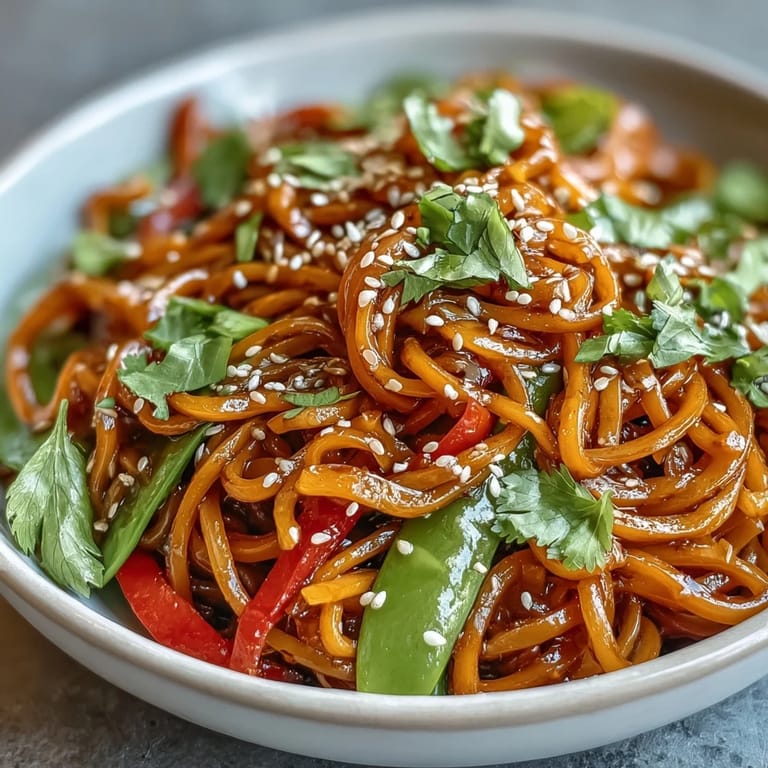
Save My sister called one evening, frustrated that her meal prep felt bland and boring. I told her about shirataki noodles and how they soak up flavors like little sponges. She was skeptical at first, convinced they'd taste like nothing, but after one bowl of this ginger-drenched, veggie-packed creation, she texted me a photo of her lunch containers lined up for the week. Sometimes the best recipes are the ones that make healthy eating feel like a treat, not a compromise.
I made this for a friend who was trying to cut carbs but missed the ritual of twirling noodles around chopsticks. She arrived skeptical, eyeing the bowl with polite caution. But halfway through, she paused and said it tasted like something she'd order at a restaurant, not something that fit her diet plan. That moment reminded me that good food doesn't have to feel restrictive.
Ingredients
- Shirataki noodles: These translucent noodles are made from konjac yam and have almost no calories or carbs, but they need a good rinse and a quick boil to lose their distinct smell and take on the right texture.
- Bok choy: I love the tender leaves and crisp stems, which add both color and a mild, slightly sweet crunch to the bowl.
- Red bell pepper: Slice it thin so it cooks quickly and adds a pop of sweetness and vibrant color against the greens.
- Snow peas: They stay crisp and bright even after a quick stir-fry, offering a gentle snap in every bite.
- Carrot: Julienned carrots cook fast and add a touch of natural sweetness plus a beautiful orange streak through the dish.
- Green onions: I slice them on the bias for a bit of visual flair, and they bring a sharp, fresh note that balances the richness of sesame oil.
- Tamari: This gluten-free soy sauce is my go-to for depth and umami without any wheat, and it blends seamlessly into the ginger sauce.
- Rice vinegar: A splash of this adds a gentle tang that brightens up all the other flavors without overpowering them.
- Toasted sesame oil: Just a tablespoon fills the kitchen with a nutty, toasted aroma that makes everything taste more intentional.
- Fresh ginger: I grate it finely so it disperses evenly, delivering little bursts of warmth and spice in every forkful.
- Garlic: One clove, minced, is enough to add a savory backbone without making the sauce too pungent.
- Maple syrup: A teaspoon softens the sharper edges of the sauce and adds a hint of sweetness that rounds out the flavor.
- Chili flakes: Optional, but I like the gentle heat they bring, especially on chilly evenings.
- Toasted sesame seeds: Sprinkled on top, they add a nutty crunch and make the bowl look restaurant-worthy.
- Fresh cilantro or basil: A handful of herbs at the end brings a burst of freshness and a little color contrast.
Tired of Takeout? 🥡
Get 10 meals you can make faster than delivery arrives. Seriously.
One email. No spam. Unsubscribe anytime.
Instructions
- Prep the noodles:
- Drain and rinse the shirataki noodles under cold water, then boil them for 2 minutes to improve their texture. Pat them dry with paper towels so they can absorb the sauce better later.
- Make the ginger sauce:
- Whisk together tamari, rice vinegar, sesame oil, grated ginger, minced garlic, maple syrup, and chili flakes in a small bowl until smooth. The smell alone will make you hungry.
- Stir-fry the firmer vegetables:
- Heat a large skillet or wok over medium-high heat and add the carrot, bell pepper, and snow peas. Stir-fry for 2 to 3 minutes until they soften just slightly but still have bite.
- Add the tender greens:
- Toss in the bok choy and green onions, stirring for another 1 to 2 minutes. They wilt quickly, so keep an eye on them.
- Combine noodles and sauce:
- Add the drained shirataki noodles to the pan, pour the ginger sauce over everything, and toss well. Cook for 2 to 3 minutes until the noodles are heated through and the vegetables are glossy and crisp-tender.
- Serve and garnish:
- Divide the noodle bowl between two plates or bowls. Sprinkle with toasted sesame seeds and fresh cilantro or basil if you have them on hand.
 Save
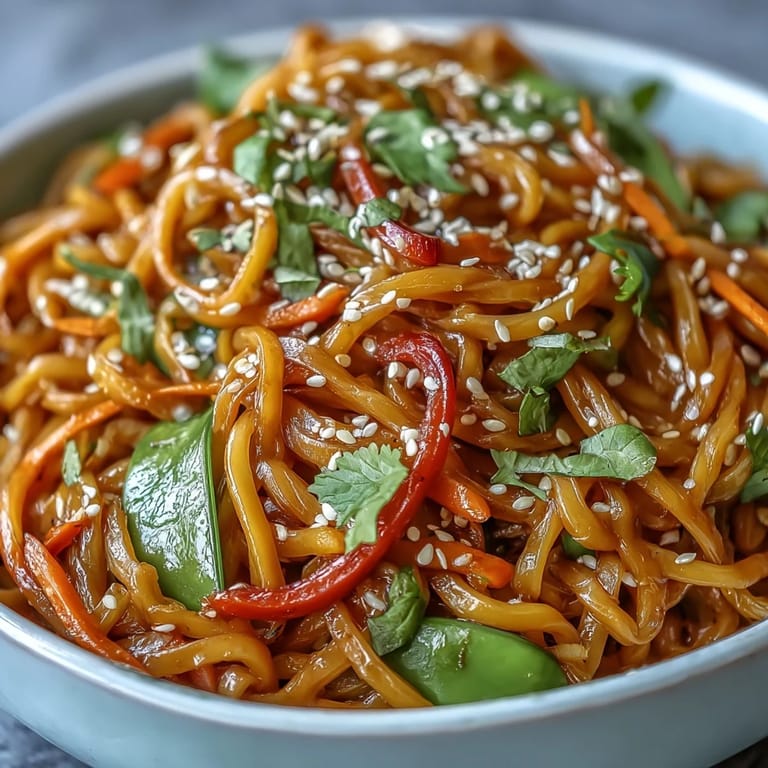
Save One rainy Saturday, I made a double batch of this and ate it straight from the pan while standing at the counter, too hungry to bother with a proper bowl. The ginger warmed me from the inside out, and the crunch of the vegetables felt like a small act of self-care. It's funny how a simple meal can shift your entire mood when you need it most.
How to Store and Reheat
I like to keep the noodles and vegetables separate from the sauce if I'm meal prepping, because shirataki noodles can release a bit of moisture as they sit. Store everything in airtight containers in the fridge for up to three days. When you're ready to eat, reheat in a skillet over medium heat, tossing gently until warmed through. The vegetables might soften a bit more, but the flavors deepen overnight, which I actually prefer.
Customizing Your Bowl
This recipe is endlessly flexible, which is why it's become a weeknight staple for me. Swap in broccoli florets, snap peas, or sliced mushrooms depending on what's in your fridge. If you want more protein, add cubed tofu, tempeh, or even cooked shrimp on top. A squeeze of lime juice at the end adds a bright, citrusy kick that cuts through the richness of the sesame oil beautifully.
Serving Suggestions
I've served this as a light dinner on its own, but it also works beautifully alongside miso soup or a simple cucumber salad. If you're feeding a crowd, double the recipe and let everyone customize their bowls with extra chili flakes, lime wedges, or a drizzle of sriracha. It's the kind of meal that feels personal and interactive without requiring much extra effort.
- Top with a soft-boiled egg for extra richness and protein.
- Add a handful of bean sprouts right before serving for extra crunch.
- Drizzle with a bit of extra tamari or a splash of coconut aminos if you want more umami depth.
 Save
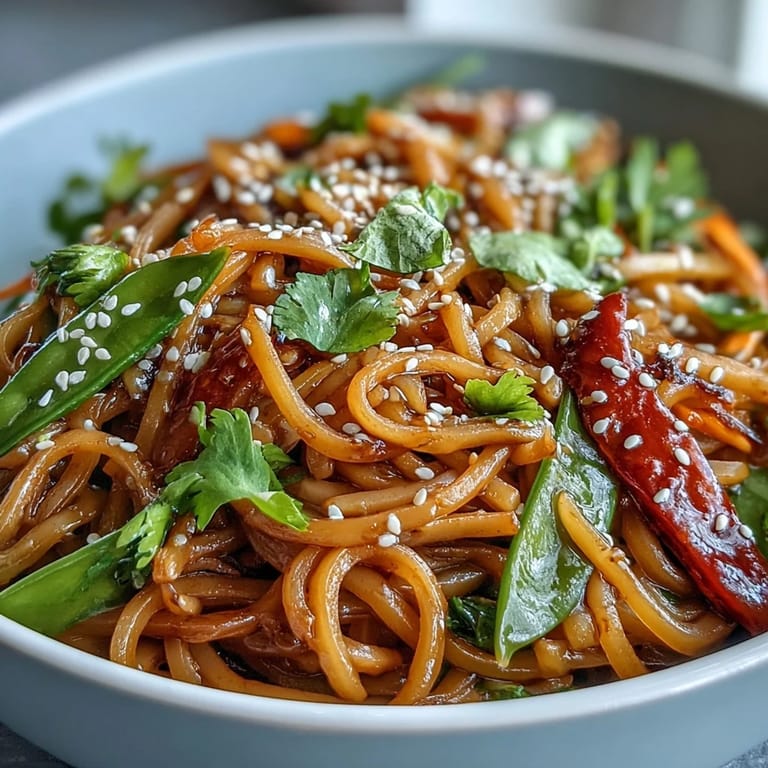
Save This bowl has become my answer to those nights when I want something nourishing but don't have the energy for anything complicated. It's quick, it's colorful, and it never fails to make me feel like I've done something good for myself.
Recipe Guide
- → What do shirataki noodles taste like?
Shirataki noodles have a neutral, slightly absorbent taste that takes on the flavors of your sauce and seasonings. Their texture is springy and gelatinous, similar to rice noodles but lighter. Proper rinsing and dry-pan toasting helps remove any natural aftertaste.
- → How do I prepare shirataki noodles properly?
Drain the liquid from the package, rinse thoroughly under cold water for 1-2 minutes, then boil for 2 minutes. Drain well and pat dry with paper towels to remove excess moisture. For best texture, toast them in a dry pan for 2-3 minutes before adding sauce.
- → Can I make this bowl higher in protein?
Absolutely. Add grilled tofu cubes, crispy tempeh, edamame, or cooked chicken. For non-vegan options, seared shrimp or sliced steak work beautifully. Simply cook your protein separately and arrange it on top of the finished bowl.
- → What vegetables work best in this dish?
Bok choy, bell peppers, snow peas, and carrots are ideal for their crunch and quick cooking time. You can also add broccoli florets, sliced mushrooms, snap peas, or baby corn. Aim for colorful vegetables that stay crisp-tender when stir-fried.
- → How long does the ginger sauce keep?
The ginger sauce can be made ahead and stored in an airtight container in the refrigerator for up to 1 week. Whisk well before using, as the oil may separate slightly. For convenience, prepare a double batch and use throughout the week.
- → Is this dish actually low-carb?
Yes, shirataki noodles contain virtually zero digestible carbohydrates, making them ideal for low-carb and keto diets. The vegetables contribute minimal carbs while the sauce adds only trace amounts. Each serving contains approximately 10g total carbohydrates.