 Save
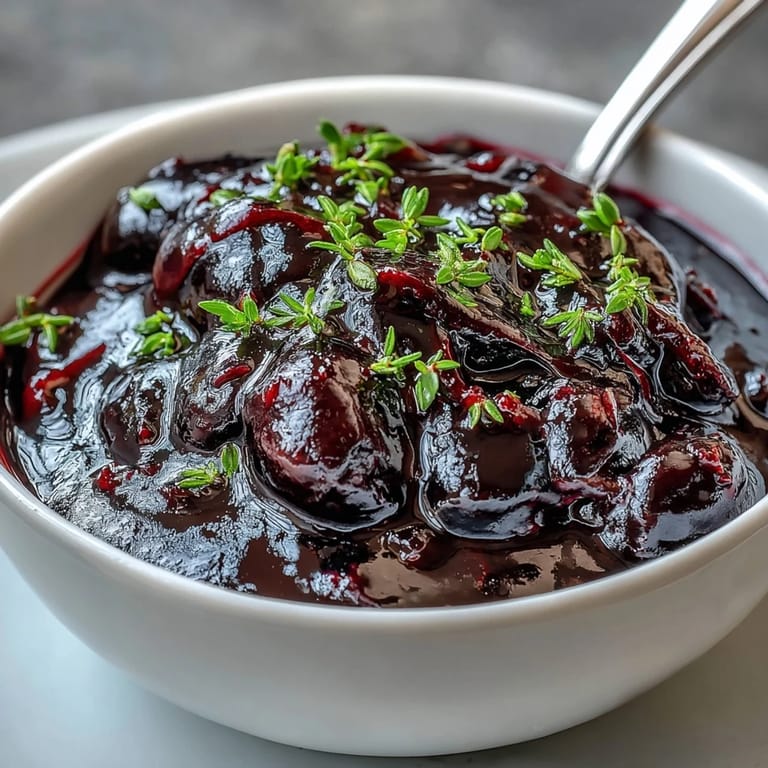
Save There's something almost magical about watching black currant juice transform into a glossy, jewel-toned reduction—it happened to me on a grey Tuesday afternoon when I was tasked with creating something special for a dinner party featuring roasted duck. I'd never worked with black currants before, only heard whispers about their tartness and depth, and as the wine hit the pan with a quiet hiss, I suddenly understood why they're treasured in European kitchens. The aroma that rose up was intoxicating: sweet fruit meeting earthy rosemary, a complexity that made me lean closer to the stove. By the time it had reduced to that perfect silky consistency, I knew this sauce would become a regular in my rotation.
My neighbor stopped by midway through cooking and caught the scent wafting through my kitchen—she stood in my doorway for a moment, just breathing it in, then asked if I'd been to France lately. That's when I realized this little sauce carries something bigger than itself, something that makes people pause and wonder where you've been or what you're planning. Watching her face light up when she tasted it on a slice of lamb later that evening made the whole thing feel less like cooking and more like conjuring.
Ingredients
- Black currant juice (1 cup unsweetened): This is your foundation—unsweetened means you control the sweetness and prevent cloyingness; I learned to always check the label because some brands sneak in sugar.
- Dry red wine (1/2 cup): Choose something you'd actually drink; cheap wine tastes cheap in a reduction, and the alcohol cooks off leaving only the tannins and character.
- Balsamic vinegar (2 tablespoons): This adds roundness and helps the tartness feel sophisticated rather than harsh—the older and darker your vinegar, the better the depth.
- Black currant jam (2 tablespoons): A small amount acts like a flavor intensifier and adds just enough body to the reduction without making it cloying.
- Fresh rosemary sprigs (2): Use whole sprigs so you can fish them out later; dried rosemary can turn bitter when simmered, so don't even think about substituting.
- Shallot, finely chopped (1 small): Shallots are gentler and more refined than onion here—their natural sweetness complements the black currant without competing.
- Garlic, minced (1 clove): Just one clove keeps it subtle; more becomes aggressive and muddy.
- Freshly ground black pepper (1/2 teaspoon): Ground right before you cook makes a surprising difference in brightness.
- Sea salt (1/4 teaspoon): Hold back and taste as you go; salt intensifies as the reduction cooks down.
Tired of Takeout? 🥡
Get 10 meals you can make faster than delivery arrives. Seriously.
One email. No spam. Unsubscribe anytime.
Instructions
- Combine Your Liquids:
- Pour the black currant juice, red wine, and balsamic vinegar into a medium saucepan and set it over medium heat. Drop in the black currant jam and stir gently until it dissolves completely into the dark liquid—this takes maybe a minute, and you'll see it melt like something alive.
- Build the Aromatics:
- Add your rosemary sprigs, chopped shallot, and minced garlic to the pan and let them start releasing their scent. You'll notice the kitchen begins to smell like a French bistro kitchen within seconds.
- Bring to a Gentle Boil:
- Watch the mixture carefully until tiny bubbles break the surface, then immediately turn the heat down to low. This isn't meant to be a rolling boil—just a gentle simmer where small bubbles occasionally break through.
- Simmer and Reduce:
- Let it bubble away uncovered for 15 to 18 minutes, stirring every couple of minutes so the shallot and garlic don't catch on the bottom. You're looking for the volume to reduce by about half and the sauce to become noticeably thicker and glossier—you'll see it coat the back of a spoon when it's ready.
- Strain and Season:
- Remove from heat and fish out those rosemary sprigs with a spoon or tongs. If you like your sauce silky and refined, pour it through a fine-mesh sieve into a bowl, pressing gently on the solids; if you prefer a rustic texture, skip this step. Taste it, then add salt and pepper to your liking—the reduction should be balanced between fruit tartness and subtle spice.
 Save
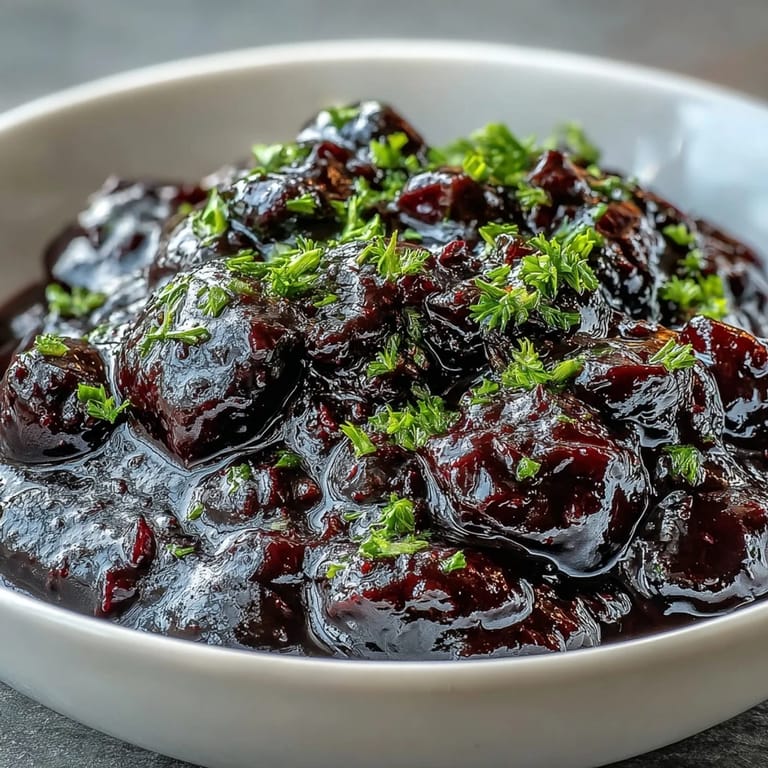
Save There was an evening when someone I barely knew came to dinner, someone I was nervous about feeding because they seemed sophisticated in a way that made me doubt my cooking. I poured this reduction over their lamb, and they went quiet in that way that means they're really tasting something. Later, they asked for the recipe not out of politeness but because they wanted to understand it—that moment of connection through food felt like the real victory.
When to Serve It
This sauce belongs on the plate while it's still warm, glossy, and at its most vivid—the deep burgundy color practically glows against pale meat or vegetables. I've learned that warm sauce clings better to whatever it's dressing, while cold sauce just pools at the side and feels less intentional. Think of it as the final flourish that says you cared about every element on the plate.
Playing with the Flavor
The beauty of this reduction is how flexible it is once you understand its bones—substituting port wine for red wine gives you something richer and sweeter, almost like a natural evolution for autumn and winter dinners. I've also discovered that if you crave more depth, reducing it an extra few minutes intensifies the fruit flavor without burning it, though you'll need to thin it slightly with a splash of water before serving. The rosemary can handle a companion too; I once added a tiny pinch of thyme and it whispered rather than shouted, which was perfect.
Storage and Make-Ahead Magic
This reduction keeps beautifully in the refrigerator for up to a week, and reheating it gently on the stove never diminishes the flavor—I actually think it tastes slightly better the next day once everything has settled and married together. You can make it hours ahead of dinner, which means one less thing to worry about when guests are arriving. Here are the small things that matter when you're planning ahead:
- Store it in a glass jar with a tight lid, as it won't stain glass the way it might plastic.
- When reheating, use low heat and stir occasionally so it doesn't concentrate further and become too intense.
- If it's thickened too much in the fridge, a tablespoon of water stirred in while heating will bring it back to the right consistency.
 Save
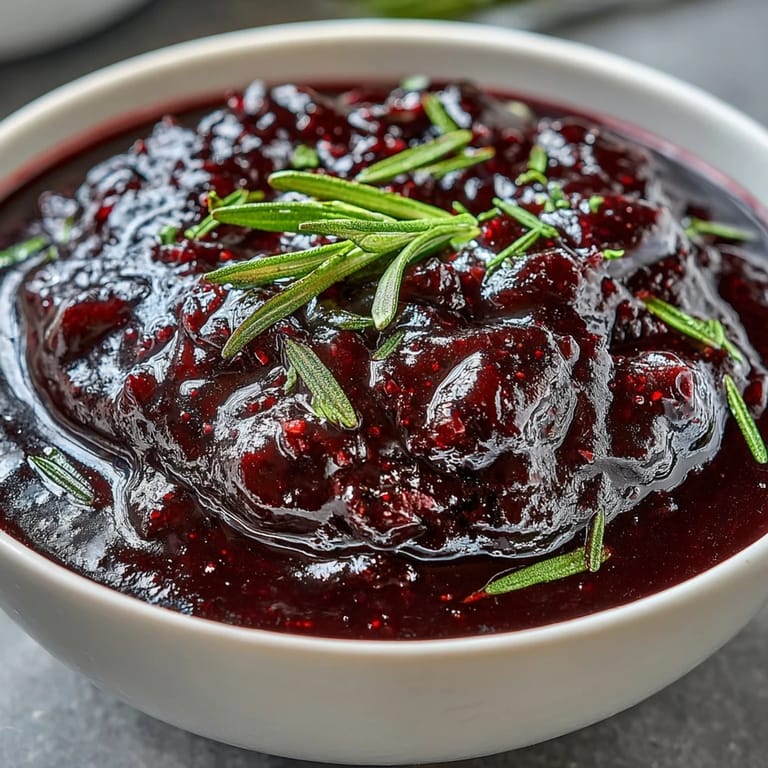
Save There's quiet satisfaction in having a sauce this beautiful in your back pocket, ready to transform an ordinary Tuesday dinner into something memorable. It's the kind of thing that makes you feel like a real cook, even if you've only been standing at the stove for twenty minutes.
Recipe Guide
- → What dishes pair best with this reduction?
This sauce complements roasted lamb, duck, venison, and game meats exceptionally well. It also works beautifully with roasted vegetables or as a glaze for grilled tofu and portobello mushrooms.
- → Can I make this ahead of time?
Yes, prepare up to 3 days in advance and store in an airtight container in the refrigerator. Gently reheat over low heat before serving, adding a splash of water if too thick.
- → What can I substitute for black currant juice?
Cranberry juice or pomegranate juice work well as alternatives, though the flavor profile will shift slightly. The tartness and deep color remain similar.
- → How do I know when it's reduced enough?
The sauce is ready when it coats the back of a spoon and has reduced by half. This takes about 15-18 minutes of simmering over low heat.
- → Is straining necessary?
Straining is optional but recommended for a smooth, professional finish. If you prefer more texture and rustic appeal, skip this step and leave the shallots and garlic in.
- → Can I freeze this reduction?
Yes, freeze in ice cube trays or small containers for up to 3 months. Thaw overnight in the refrigerator and reheat gently before serving.