 Save
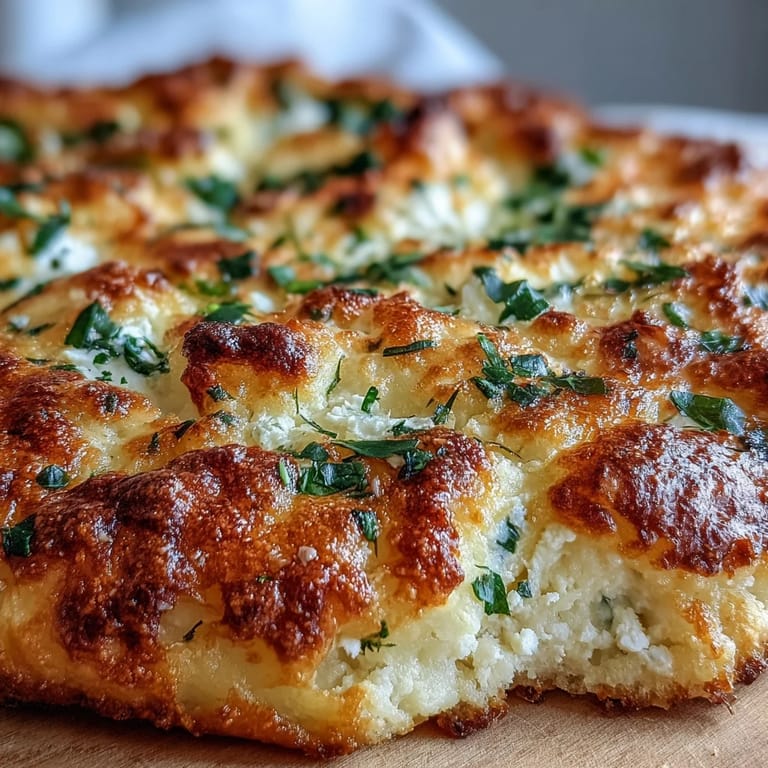
Save My kitchen counter was covered in a fine layer of flour dust, my favorite kind of mess. I had been experimenting with high-protein doughs for weeks, trying to find something that satisfied my craving for bread without the heaviness. When I first mixed cottage cheese into flour, I honestly thought it might be a disaster. But then these flatbreads hit the hot pan, puffing up like magic, and I knew I'd stumbled onto something special.
Last summer, I made a batch for a backyard gathering with friends. We set up a make-your-own-wrap station with hummus, roasted vegetables, and grilled chicken. Everyone kept asking where I bought the flatbread. Watching their expressions when I told them I made it that afternoon, seeing them reach for seconds, that moment turned this recipe into a regular request.
Ingredients
- All-purpose flour: Forms the structure of your flatbread while keeping it tender
- Baking powder: Creates those irresistible bubbles and pockets as the bread cooks
- Fine salt: Enhances flavor without making the dough too heavy
- Garlic powder: Adds subtle depth that makes these taste like they came from a restaurant
- Full-fat cottage cheese: The secret ingredient that adds protein and creates an incredibly soft texture
- Egg: Helps bind the dough while contributing to richness and structure
- Olive oil: Keeps the dough pliable and adds beautiful flavor to the finished bread
- Fresh herbs: Optional, but parsley or chives add brightness and color
- Water: Only add if needed to bring the dough together
Tired of Takeout? 🥡
Get 10 meals you can make faster than delivery arrives. Seriously.
One email. No spam. Unsubscribe anytime.
Instructions
- Mix the dry foundation:
- Whisk together your flour, baking powder, salt, and garlic powder in a medium bowl until everything looks evenly distributed
- Prepare the wet mixture:
- In a separate bowl, combine the drained cottage cheese with the egg, olive oil, and herbs, breaking up any large curds until relatively smooth
- Bring it together:
- Pour the wet mixture into the dry ingredients and stir gently with a spatula until a shaggy dough forms, adding water only if it refuses to come together
- Work the dough lightly:
- Turn the dough onto a floured surface and fold it about 6 to 8 times, just enough to form a cohesive ball without overworking
- Let it rest:
- Cover your dough ball with a clean kitchen towel and leave it alone for 10 minutes to relax
- Portion and shape:
- Divide the dough into 4 equal pieces, roll each into a smooth ball, then flatten into rounds about a quarter inch thick
- Heat your pan:
- Warm a large nonstick or cast-iron skillet over medium heat and brush it lightly with olive oil
- Cook to golden perfection:
- Place one flatbread in the hot skillet and cook for 2 to 3 minutes until bubbles appear and the bottom is golden brown, then flip and cook another 1 to 2 minutes
- Keep them warm:
- Transfer each cooked flatbread to a plate and cover with a clean towel while you repeat with the remaining dough
 Save
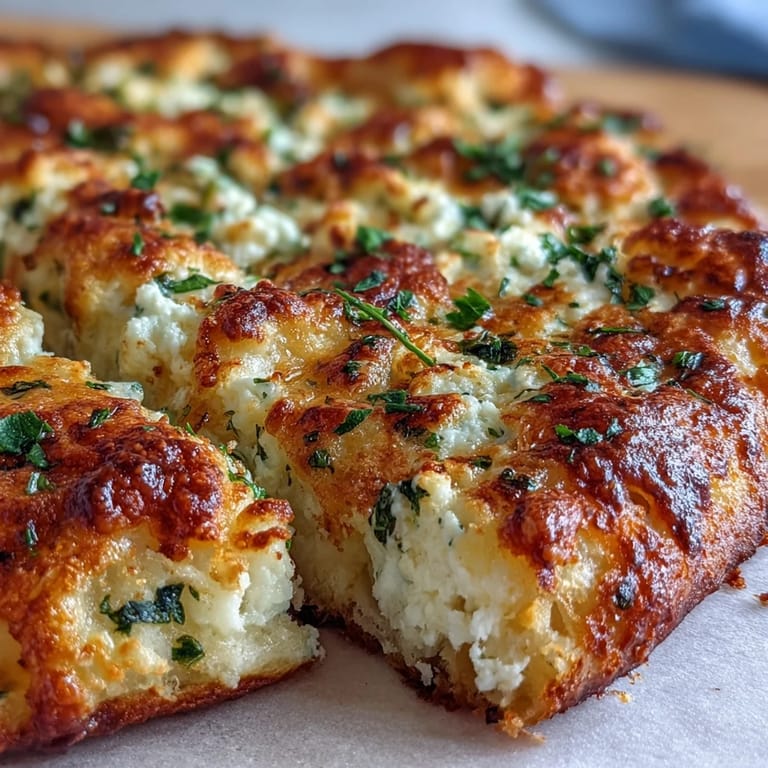
Save My daughter now requests these for her school lunch instead of store-bought wraps. She watched me make them once, fascinated by how they bubbled up in the pan, and declared them better than anything from the bakery. Now she helps me roll out the dough, her small hands shaping imperfect circles that somehow taste even better.
Making Them Your Own
These flatbreads are incredibly forgiving. I have added spinach, sun-dried tomatoes, even grated cheese directly into the dough. Each variation brings something new to the table while keeping that essential fluffy texture intact. The dough is a blank canvas waiting for your creativity.
Storage and Reheating
Fresh is best, but these reheat beautifully with the right technique. I wrap leftovers in a slightly damp paper towel before microwaving for about 20 seconds, which brings back that just-cooked softness. For longer storage, they freeze well for up to a month, just thaw and reheat in a dry skillet.
Serving Ideas
Use these as a base for quick personal pizzas, adding sauce and cheese then baking at 425 degrees F for 8 to 10 minutes. They are also perfect folded around fillings for wraps, torn and dipped into hummus, or simply served warm with a dish of good olive oil for dipping.
- Try spreading them with garlic butter while still hot for an instant garlic bread
- Use them to sop up the sauce from your favorite curry or stew
- Top with mashed avocado and a poached egg for a quick breakfast
 Save
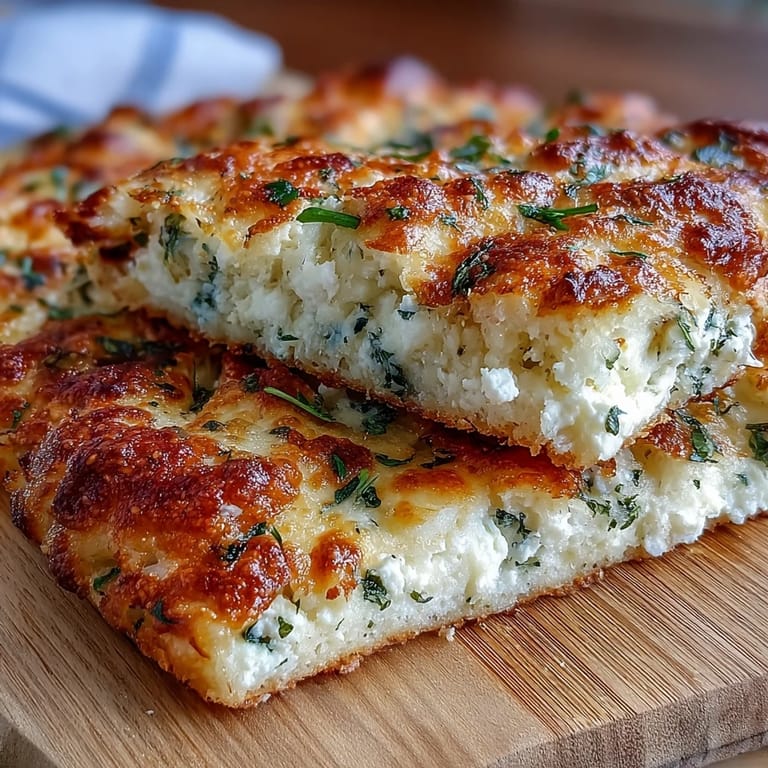
Save There is something deeply satisfying about making your own bread, especially something this simple and rewarding. The smell alone makes it worth the effort.
Recipe Guide
- → How do I prevent my flatbreads from becoming tough?
Avoid over-kneading the dough; just bring it together until it forms a cohesive ball. Overworking the dough can develop too much gluten, leading to a chewier, tougher texture. Also, be careful not to overcook them in the skillet.
- → Can I make these flatbreads gluten-free?
Yes, you can substitute a 1:1 gluten-free flour blend for the all-purpose flour. Adding about 1 tablespoon of ground flaxseed can help improve the texture and binding of the dough.
- → What are the best ways to use these cottage cheese flatbreads?
They are incredibly versatile! Serve them warm as soft wraps for sandwiches, use them for scooping up dips like hummus or baba ghanoush, or top them with sauce and cheese for a quick and easy homemade pizza base.
- → How should I store leftover flatbreads and for how long?
Store any leftover flatbreads in an airtight container in the refrigerator for up to 3 days. For longer storage, they can be frozen for up to one month.
- → What is the best way to reheat these flatbreads to maintain softness?
To reheat, gently warm them in a skillet over medium-low heat until heated through. Alternatively, microwave them briefly with a damp paper towel to help retain their soft, pliable texture.
- → Can I add additional flavors to the flatbread dough?
Absolutely! Feel free to incorporate finely chopped spinach, sun-dried tomatoes, or different fresh herbs like chives or oregano directly into the dough mixture for varied flavors and added color.